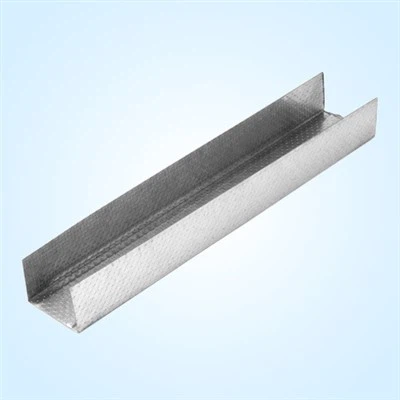
In the realm of construction and interior design, the safety and reliability of building materials are of paramount importance. As a supplier of Click Type Ceiling Studs, I am often asked about the safety of these innovative products. In this blog, I will delve into the safety aspects of Click Type Ceiling Studs, exploring their design, installation, and performance to provide a comprehensive understanding of their safety profile.
Design and Material Quality
Click Type Ceiling Studs are typically made from high - quality galvanized steel. Galvanization is a process where a protective zinc coating is applied to the steel, which significantly enhances its corrosion resistance. This is crucial for the long - term safety of the ceiling system, as corrosion can weaken the structural integrity of the studs over time.
The design of Click Type Ceiling Studs is engineered to provide a stable and secure framework for ceiling installations. The click - type mechanism allows for quick and easy assembly, which not only saves time during installation but also ensures a tight and reliable connection between the studs. This precise connection helps to distribute the weight of the ceiling evenly, reducing the risk of sagging or collapse.
The shape and dimensions of the studs are carefully designed to meet industry standards. They are usually lightweight yet strong enough to support the weight of various ceiling materials, such as drywall, acoustic panels, or suspended ceiling tiles. The lightweight nature of the studs also makes them easier to handle during installation, reducing the risk of injuries to workers.
Installation Safety
One of the key advantages of Click Type Ceiling Studs is their ease of installation. The click - type connection system eliminates the need for complex tools and extensive training. This means that even less - experienced installers can achieve a proper installation, reducing the likelihood of errors that could compromise safety.

During installation, it is important to follow the manufacturer's guidelines carefully. These guidelines typically include instructions on spacing, anchoring, and alignment of the studs. Proper spacing ensures that the ceiling is evenly supported, while correct anchoring secures the studs to the building structure. Alignment is crucial to ensure that the ceiling is level and stable.
When installing Click Type Ceiling Studs, it is also essential to use the appropriate safety equipment. This includes safety glasses, gloves, and hard hats. Workers should be trained on how to handle the studs safely, especially when cutting or drilling them. The sharp edges of the studs can cause cuts and abrasions if not handled properly.
Fire Safety
Fire safety is a major concern in any building. Click Type Ceiling Studs made from galvanized steel have excellent fire - resistant properties. Steel is a non - combustible material, which means that it does not contribute to the spread of fire. In the event of a fire, the steel studs can help to maintain the structural integrity of the ceiling for a certain period, providing valuable time for evacuation.
However, it is important to note that the overall fire safety of the ceiling system also depends on other factors, such as the type of ceiling material used. For example, if the ceiling is covered with flammable materials, the fire - resistant properties of the studs may be negated. Therefore, it is recommended to use fire - rated ceiling materials in conjunction with Click Type Ceiling Studs to enhance the overall fire safety of the building.
Structural Integrity and Load - Bearing Capacity
Click Type Ceiling Studs are designed to support a specific load. The load - bearing capacity of the studs depends on factors such as their size, thickness, and spacing. Before installation, it is important to calculate the expected load on the ceiling, including the weight of the ceiling materials, lighting fixtures, and any other equipment that will be attached to the ceiling.
The click - type connection system of the studs ensures that the load is evenly distributed across the framework. This helps to prevent overloading of individual studs, which could lead to structural failure. Regular inspections of the ceiling system are also recommended to ensure that the studs are in good condition and that the load is being distributed as intended.
Environmental Safety
In addition to their structural and fire - safety features, Click Type Ceiling Studs are also environmentally friendly. Galvanized steel is a recyclable material, which means that at the end of its life cycle, the studs can be recycled and used to make new products. This reduces the environmental impact of construction projects and promotes sustainable building practices.
Conclusion
In conclusion, Click Type Ceiling Studs are a safe and reliable option for ceiling installations. Their high - quality design, ease of installation, fire - resistant properties, and good load - bearing capacity make them a popular choice in the construction industry. However, it is important to ensure that the studs are installed correctly and that they are used in conjunction with appropriate ceiling materials to maximize their safety benefits.
If you are considering using Click Type Ceiling Studs for your next project, I encourage you to Click Type Ceiling Stud to learn more about our products. We are committed to providing high - quality Click Type Ceiling Studs that meet the highest safety standards. If you have any questions or would like to discuss your specific requirements, please feel free to contact us for a procurement discussion.
References
- American Iron and Steel Institute. (20XX). Steel Construction Manual.
- National Fire Protection Association. (20XX). Fire Safety Codes for Buildings.
- International Building Code. (20XX). Building Safety Standards.