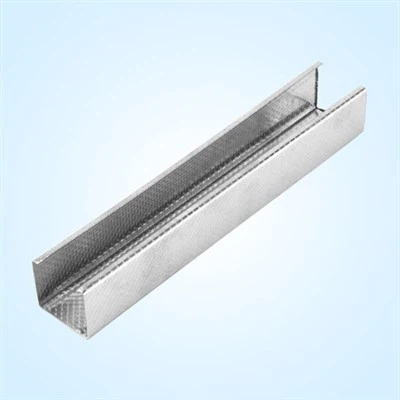
Cold-formed steel studs are widely used in modern construction due to their numerous advantages, such as high strength-to-weight ratio, durability, and ease of installation. However, like any building material, they can get damaged over time. As a cold-formed steel stud supplier, I understand the importance of knowing how to repair damaged studs. In this blog, I'll share some effective methods to repair these essential construction components.
Understanding the Types of Damage
Before diving into the repair methods, it's crucial to understand the types of damage that cold-formed steel studs may encounter. The most common forms of damage include:
- Dents and Gouges: These are usually caused by impact during handling, transportation, or on - site construction activities. Minor dents may not significantly affect the structural integrity of the stud, but larger ones can compromise its strength.
- Cracks: Cracks can occur due to excessive stress, improper installation, or corrosion. Cracks are a serious concern as they can propagate over time and lead to structural failure.
- Corrosion: Exposure to moisture and harsh environmental conditions can cause corrosion on the surface of cold - formed steel studs. Corrosion weakens the steel, reducing its load - bearing capacity.
Assessing the Damage
The first step in any repair process is to assess the extent of the damage. A thorough inspection should be carried out to determine the location, size, and nature of the damage.
- Visual Inspection: Walk around the stud and carefully examine it for visible signs of damage such as dents, cracks, or rust. Pay special attention to areas where the stud is connected to other building components, as these are often more prone to damage.
- Non - destructive Testing (NDT): For more serious damage, non - destructive testing methods such as ultrasonic testing or magnetic particle inspection can be used to detect internal cracks or defects that are not visible to the naked eye.
Repair Methods for Different Types of Damage
Repairing Dents and Gouges
- Small Dents: For small dents, a simple method is to use a rubber mallet and a block of wood. Place the block of wood on the backside of the dent, then gently tap the dent from the front using the rubber mallet. This will gradually reshape the stud back to its original form.
- Large Dents: If the dent is too large to repair with a mallet, a hydraulic press can be used. Care must be taken during this process to ensure that the stud is not over - stressed or deformed further. It's also important to note that if the dent has caused significant thinning of the steel, the stud may need to be replaced.
Fixing Cracks
- Welding: For minor cracks, welding can be an effective repair method. However, it's essential to use the correct welding technique and materials. Before welding, the crack must be cleaned to remove any rust, dirt, or debris. A qualified welder should perform the welding process to ensure that the repair is structurally sound.
- Reinforcement: If the crack is in a high - stress area, it may be necessary to reinforce the stud with additional steel plates or angles. These reinforcements can be bolted or welded to the stud to provide extra strength and prevent the crack from spreading.
Treating Corrosion
- Surface Preparation: The first step in treating corrosion is to remove the rust from the surface of the stud. This can be done using a wire brush, sandpaper, or a grinder. The goal is to expose the bare metal and remove any loose rust particles.
- Priming and Painting: After the surface is prepared, a rust - inhibiting primer should be applied to the stud. This will prevent further corrosion. Once the primer has dried, a protective paint can be applied to give the stud an additional layer of protection.
Utilizing Replacement Parts
In some cases, it may be more practical to replace damaged sections of the stud rather than repair them. As a cold - formed steel stud supplier, I offer a wide range of replacement parts, including U Track Channel and C Type Stud.
- Cutting and Removing the Damaged Section: Use a suitable cutting tool, such as a reciprocating saw or angle grinder, to carefully remove the damaged part of the stud. Make sure to measure the replacement section accurately to ensure a proper fit.
- Installing the Replacement Part: Align the replacement part with the remaining section of the stud and secure it using appropriate fasteners, such as screws or bolts. Welding can also be used if required for a more permanent connection.
Quality Control After Repair
Once the repair is completed, it's essential to perform quality control checks to ensure that the stud is restored to its original structural integrity.


- Inspection: Conduct a visual inspection of the repaired area to check for any signs of improper repair, such as uneven welding or loose fasteners.
- Strength Testing: If possible, perform strength testing on the repaired stud to verify its load - bearing capacity. This can be done using specialized testing equipment or by consulting a structural engineer.
Maintenance to Prevent Future Damage
To minimize the chances of future damage to cold - formed steel studs, proper maintenance is crucial.
- Keep the Area Dry: Moisture is one of the main causes of corrosion. Ensure that the area where the studs are installed is well - ventilated and dry. This can be achieved by installing proper drainage systems and using moisture barriers.
- Regular Inspections: Conduct regular inspections of the studs to detect any early signs of damage. Early detection can prevent minor issues from becoming major problems.
Contact for Purchasing and Further Assistance
If you are in need of high - quality cold - formed steel studs or replacement parts, I'm here to help. Whether you are working on a small renovation project or a large - scale construction venture, I can provide you with the right products at competitive prices. Feel free to contact me for more information and to start a purchase negotiation.
References
- American Iron and Steel Institute (AISI). Cold - Formed Steel Design Manual.
- ASTM International. Standards related to cold - formed steel construction.
- Guide to Cold - Formed Steel Construction by the Steel Framing Industry Association (SFIA).