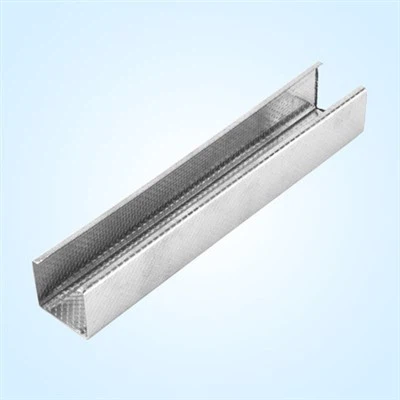
Hey there! As a supplier of cold-formed steel studs, I've seen firsthand how crucial it is to get the installation right. Cold-formed steel studs are a popular choice in construction due to their strength, durability, and cost - effectiveness. But if they're not installed properly, it can lead to a whole bunch of problems down the line. So, let's dive into the key inspecting points for cold - formed steel studs installation.
1. Site Preparation
Before you even start installing the cold - formed steel studs, the site needs to be prepped. The floor where the studs will be installed should be level. A sloping or uneven floor can cause the studs to be misaligned, which affects the overall stability of the structure. You can use a laser level to check the floor's flatness. If there are any bumps or depressions, they need to be fixed.
Also, make sure the area is clean. Remove any debris, dirt, or construction waste. This not only helps with the proper placement of the studs but also prevents any damage to the steel during installation.
2. Stud Selection
Picking the right studs for the job is super important. You've got different types, like the C Type Stud. C Type Studs are commonly used in interior partitions and load - bearing walls. They come in various sizes and thicknesses, so you need to choose based on the specific requirements of your project.
The thickness of the stud matters a lot. Thinner studs are okay for non - load - bearing walls, but for load - bearing applications, you'll want a thicker one. You should also check the galvanization of the studs. Good galvanization protects the steel from corrosion, which is especially important in humid or corrosive environments.
3. Stud Placement
When it comes to placing the studs, spacing is key. The standard spacing for cold - formed steel studs in interior partitions is usually 16 inches or 24 inches on center. This spacing provides enough support for the wall while also allowing for the installation of insulation, electrical wiring, and plumbing.
The studs should be plumb, which means they're perfectly vertical. You can use a plumb bob or a digital level to check this. If a stud is out of plumb, it can cause the wall to be uneven, and it may not fit properly with the other building components.
The bottom and top tracks, like the U Track Channel, need to be installed correctly. The U Track Channel holds the studs in place at the top and bottom of the wall. Make sure the tracks are straight and properly secured to the floor and ceiling. Any gaps or misalignments in the tracks can affect the stud installation.
4. Connection and Fastening
The way the studs are connected and fastened is crucial for the strength of the structure. You should use the right type of fasteners, such as self - drilling screws. These screws are designed to penetrate the steel easily and provide a strong connection.
The number and placement of the fasteners matter. For example, when attaching the studs to the tracks, you should have screws at regular intervals. Usually, a screw every 12 inches is a good rule of thumb. Make sure the screws are tightened properly. Loose screws can cause the studs to move, which weakens the wall.
When connecting studs together, you may need to use connectors or clips. These should be installed according to the manufacturer's instructions. Improperly installed connectors can lead to a weak joint, which can compromise the integrity of the entire wall.
5. Bracing
Bracing is essential to prevent the studs from buckling or swaying. There are different types of bracing, such as diagonal bracing. Diagonal bracing helps to transfer lateral loads, like wind or seismic forces, to the foundation.
The bracing should be installed at the correct angles and locations. It should be securely fastened to the studs and the tracks. You need to make sure that the bracing is not damaged or bent during installation. A damaged brace won't provide the necessary support, so it's important to inspect it carefully.
6. Fire and Sound Ratings
Depending on the building's use, you may need to meet certain fire and sound ratings. Cold - formed steel studs can be designed to meet these requirements, but it depends on the installation.
For fire ratings, you may need to use fire - rated insulation and drywall. The installation of these materials should be done correctly to ensure the fire - resistance of the wall. Make sure there are no gaps or voids in the insulation or drywall, as these can allow fire to spread.


In terms of sound ratings, proper insulation and the correct installation of studs can help reduce sound transmission. You can use acoustic insulation between the studs to improve the soundproofing of the wall. Check that the insulation is installed tightly and evenly.
7. Final Inspection
Once the installation is complete, a final inspection is a must. Check the overall appearance of the wall. It should be straight and smooth. Look for any signs of damage, such as dents or scratches on the studs.
Test the stability of the wall by applying some pressure. The wall should not sway or move excessively. Check the doors and windows that are attached to the wall. They should open and close smoothly, which indicates that the wall is properly installed.
If you notice any issues during the inspection, they need to be fixed immediately. A small problem left unaddressed can turn into a big headache later on.
Why Choose Us as Your Supplier
As a cold - formed steel stud supplier, we're committed to providing high - quality products. Our studs are made from top - grade steel and have excellent galvanization. We offer a wide range of sizes and types to meet your project needs.
We also have a team of experts who can provide technical support. Whether you have questions about stud selection or installation, we're here to help. We understand the importance of getting the installation right, and we can offer advice based on our years of experience in the industry.
If you're in the market for cold - formed steel studs, don't hesitate to reach out. We can work with you to ensure that you get the best products for your project and that they're installed correctly. Let's have a chat about your requirements and see how we can help you build a strong and durable structure.
References
- Construction Standards and Practices Handbook
- Cold - Formed Steel Design Manual
So, there you have it - the key inspecting points for cold - formed steel studs installation. By paying attention to these points, you can ensure a successful installation and a long - lasting structure. Looking forward to hearing from you about your next project!