The amount of thinset mortar required for a tiling project depends on the type of tile, the substrate, and the specific adhesive being used. Ceramic tile thinset mortar is the traditional choice for standard porous tiles. Because ceramic tiles absorb more water, the adhesive must have a balanced hydration rate to bond effectively with both the tile and the gypsum board or fibre cement board substrate. However, vitrified tile adhesive is a more advanced formula designed for non-porous, high-density tiles. Vitrified tiles have a very low water absorption rate (often less than 0.5%), meaning a standard ceramic tile adhesive might fail to create a mechanical bond. Instead, vitrified tile adhesive uses chemical polymers to "grip" the tile surface, requiring a thinner but more potent layer of mortar.
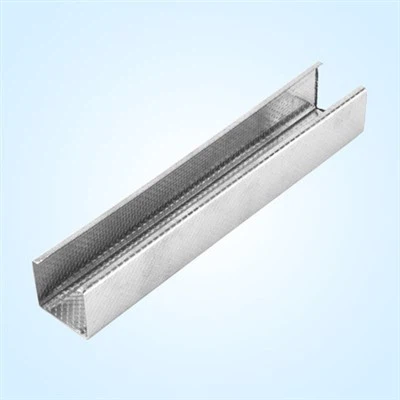
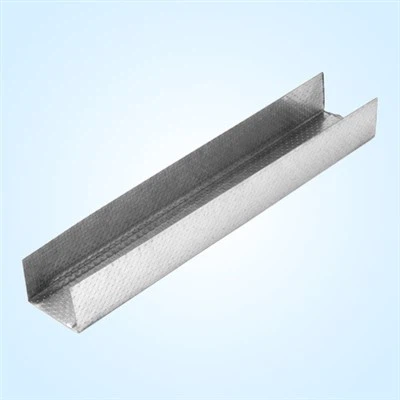
Generally, for standard 300x300mm tiles, a 6mm notched trowel is used, which consumes approximately 3kg to 4kg of thinset mortar per square meter. For larger tiles or vitrified tiles, a 10mm or 12mm trowel might be necessary, increasing consumption to 5kg or 6kg per square meter. In high-end installations, especially those involving marble or slate, a dark tile adhesive is often used. This specialized thinset is formulated to prevent the mortar color from bleeding through or shadowing the grout lines of darker stones. When applying these adhesives over a galvanized steel stud partition, the wall must first be boarded with standard plaster board or water resistance plaster board. The board must be securely fixed to the ceiling stud and tracks to ensure no movement, as movement is the leading cause of cracked tiles. The usage steps for all tile adhesives involve mixing the powder with water to a "peanut butter" consistency, letting it slake for five minutes, and then spreading it with a notched trowel. It is also important to note that vitrified tile adhesive usually has a longer open time, allowing the tiler more flexibility to adjust the tile position. By choosing the right ceramic tile thinset mortar or dark tile adhesive, contractors can ensure a permanent, beautiful finish that survives the stresses of building movement and temperature changes.