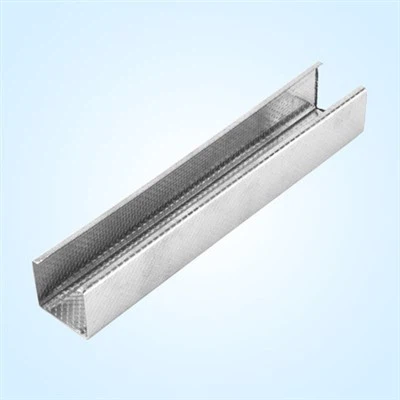
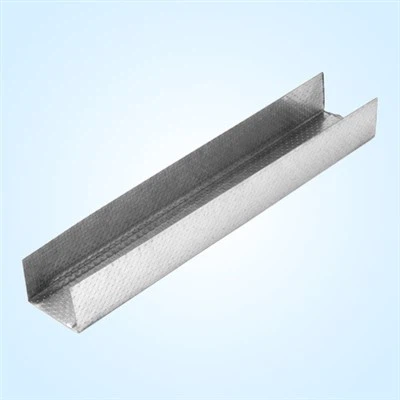
Galvanized light steel keel, a commonly used structural support material in construction, is widely used in ceilings, partitions, and other structural support systems due to its numerous advantages. It is primarily made of steel, galvanized to enhance its corrosion resistance. Below is an analysis of the advantages and disadvantages of galvanized light steel keel:
Advantages
1. Strong Corrosion Resistance
The galvanized surface of light steel keel effectively prevents steel oxidation and corrosion, making it particularly suitable for humid or highly corrosive environments (such as kitchens, bathrooms, basements, and coastal areas). The thickness of the galvanized layer directly affects the corrosion resistance; a thicker galvanized layer extends the service life of the light steel keel and reduces maintenance and replacement costs.
2. High Strength and Durability
The main material of light steel keel is high-strength steel, and the galvanizing process improves its hardness and strength, giving it strong load-bearing capacity and compressive strength. In ceiling or wall support, galvanized light steel keel provides stable support, maintains structural stability, and is not easily affected by external pressure and impact.
3. Lightweight and Easy to Construct
Compared to traditional wood or concrete framing, galvanized light steel framing is lighter, making it easier to transport and install. Its standardized design simplifies construction, reducing labor costs and shortening the construction period. Furthermore, light steel framing can be cut and adjusted to meet different architectural design requirements, offering flexible and convenient installation.
4. Good Fire Resistance
Galvanized light steel framing is not easily deformed at high temperatures, and the galvanized layer has a certain degree of fire resistance, giving it good fire resistance in buildings. Especially in high-rise buildings and commercial buildings where high fire safety standards are required, galvanized light steel framing provides better safety assurance.
5. Environmentally Friendly and Sustainable
The material of galvanized light steel framing is recyclable, meeting the requirements of modern green building. It not only reduces resource waste but also lowers the environmental impact, making it an environmentally friendly and sustainable building material.
6. Excellent Seismic Performance
The structural characteristics of light steel framing give it good seismic resistance. In disasters such as earthquakes, light steel keel can effectively absorb seismic energy, ensuring the safety and stability of buildings, making it particularly suitable for construction in earthquake-prone areas.
Disadvantages
1. Susceptible to Moisture and Corrosion
Although galvanized light steel keel has good corrosion resistance, in extremely humid or highly corrosive environments, if the galvanized layer is damaged or exposed for a long time, corrosion and oxidation of the metal may still occur. Especially in environments with high humidity and frequent contact with water, the integrity of the galvanized layer needs to be checked regularly.
2. Higher Cost
Compared to traditional wood or other keel materials, galvanized light steel keel is relatively expensive, especially when a thicker galvanized layer or custom specifications are required. However, due to its durability and long-term economic benefits, using galvanized light steel keel can reduce maintenance and replacement costs in the long run.
3. Noise Issues During Construction
Although galvanized light steel keel itself is a lightweight material, the characteristics of metal may generate some noise during installation, especially in relatively open construction environments. Effective sound insulation measures are needed to reduce noise interference during construction.
4. High Environmental Requirements
While galvanized light steel keel possesses strong corrosion resistance, its performance may be affected in extreme environments such as salt spray and high humidity. Especially in marine environments, although galvanizing improves corrosion resistance, additional protective measures are still required to extend its service life.
5. Limited Design Flexibility
The structural characteristics of light steel keel limit its design flexibility compared to wooden keel. Despite its strong adaptability and customizability, certain complex or extreme design requirements may necessitate additional support and modifications to meet specific needs.
Summary
Galvanized light steel keel is a modern, environmentally friendly, and high-performance building material with advantages such as corrosion resistance, earthquake resistance, fire resistance, lightweight, and durability, making it widely used in modern construction. It is suitable for ceilings, partitions, load-bearing systems, and other areas, performing particularly well in high-rise buildings and harsh environments. However, its long-term stability in extreme environments and its relatively high initial cost still require attention. When choosing a product, you can consider its advantages and disadvantages based on project needs, budget, and environmental conditions.