Selecting the correct gypsum board is one of the most important decisions in interior finishing, as the choice directly impacts the longevity and safety of the building. The most common type is the standard plaster board, often used in living rooms and bedrooms where environmental conditions are stable. It consists of a gypsum core sandwiched between heavy-duty paper liners. However, in areas prone to dampness, such as bathrooms or basements, moisture resistance plaster board is the mandatory choice. This board is treated with silicone or other water-repellent additives in the core and specifically treated face paper to resist the absorption of water, which prevents mold growth and structural softening. In even more extreme cases, such as commercial kitchens or areas with direct water contact, a water resistance plaster board might be required, which offers an even higher level of protection than the moisture-resistant version.
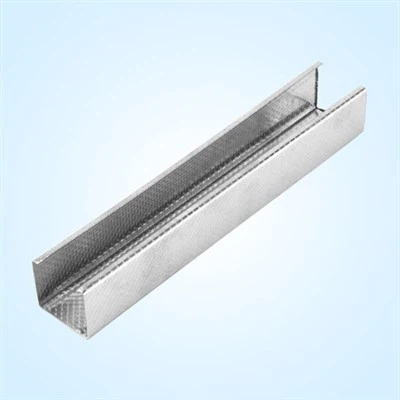
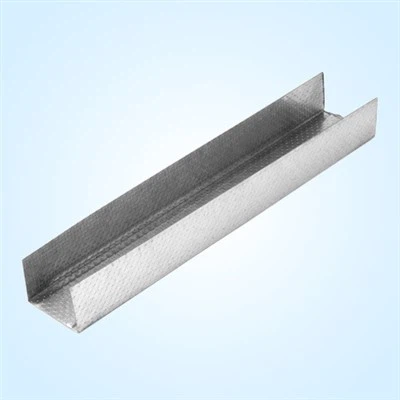
For safety-critical areas like elevator shafts, stairwells, and utility rooms, fire resistance plaster board is essential. These boards contain glass fibers and other non-combustible additives in the gypsum core, which help the board maintain its integrity longer during a fire, providing vital time for evacuation. When installing these boards onto a galvanized steel stud framework, it is crucial to use the correct screws to ensure they hold under stress. For ceiling applications, standard boards are often used unless fire ratings are required, in which case the ceiling stud and click type ceiling stud must be strong enough to support the heavier fire-rated boards. In high-traffic commercial zones where durability is more important than weight, some contractors prefer the habit fibre cement board. While gypsum boards are excellent for indoor use, fibre cement boards provide superior impact resistance and can often be used in semi-exposed areas. Additionally, when tiling over these boards, the choice of thinset mortar, such as ceramic tile thinset mortar or vitrified tile adhesive, must be compatible with the board's surface treatment. By understanding the chemical and physical properties of standard plaster board versus specialized fire or moisture-resistant boards, architects can ensure that every room in a building is equipped with a surface that can withstand its specific environmental demands.